Choosing materials for Dubai gardens that prioritise beauty, performance and longevity
A garden is experienced as a whole, but it is created through hundreds of individual decisions. Every material, surface and detail contributes to how a space feels, functions and evolves over time.
In Dubai, selecting materials for an outdoor space requires more than choosing what looks beautiful in a showroom. Gardens must respond to intense sunlight, high temperatures, humidity, occasional heavy rainfall, dust, daily use and the passage of time.
A timeless garden is not created by selecting the most expensive materials or following the latest trends. It is created through thoughtful choices, where climate, architecture, materials and the experience of living outdoors are brought together in considered garden design.
The question is never simply what material looks beautiful. The question is whether this material belongs here, for this purpose, within this design.
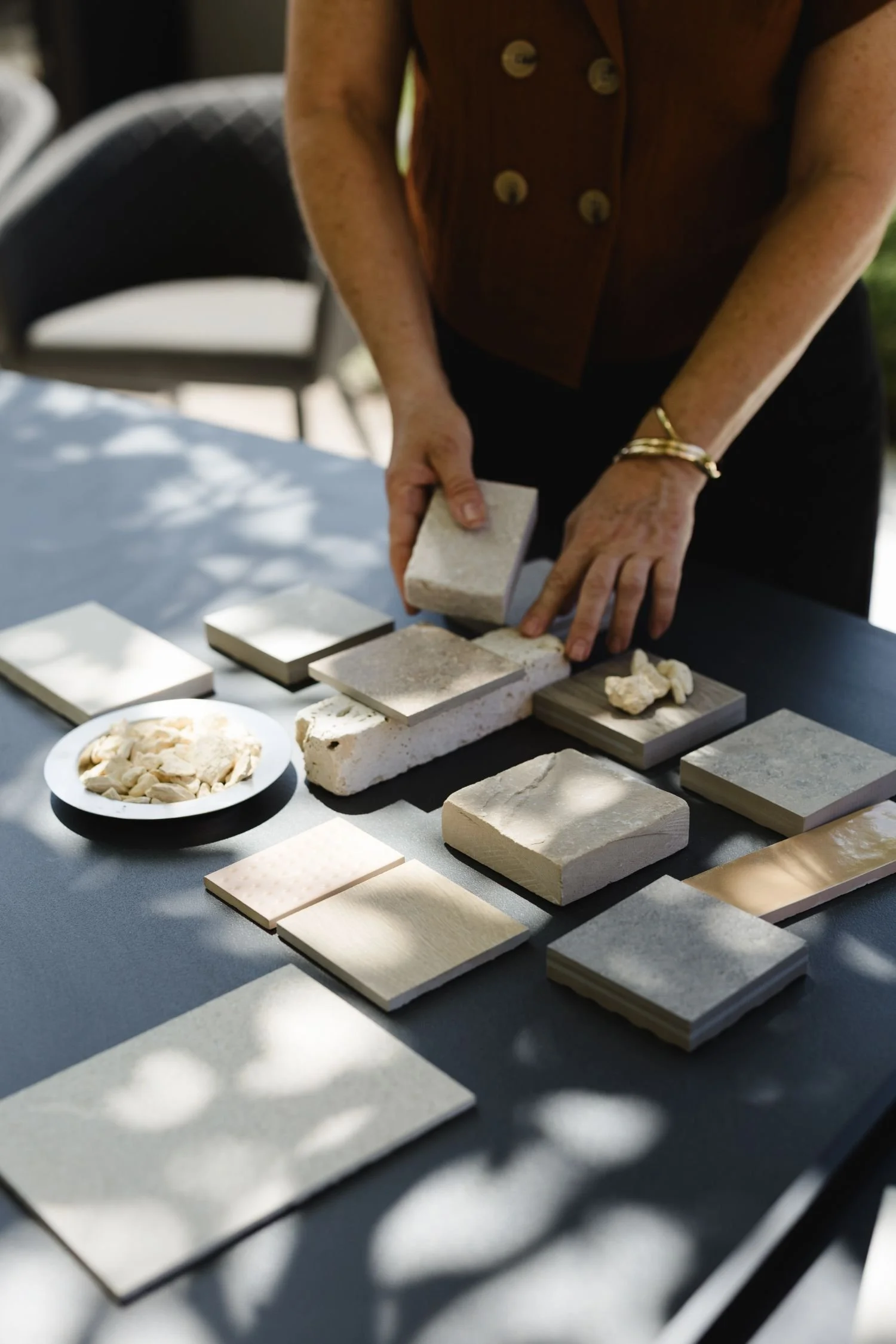
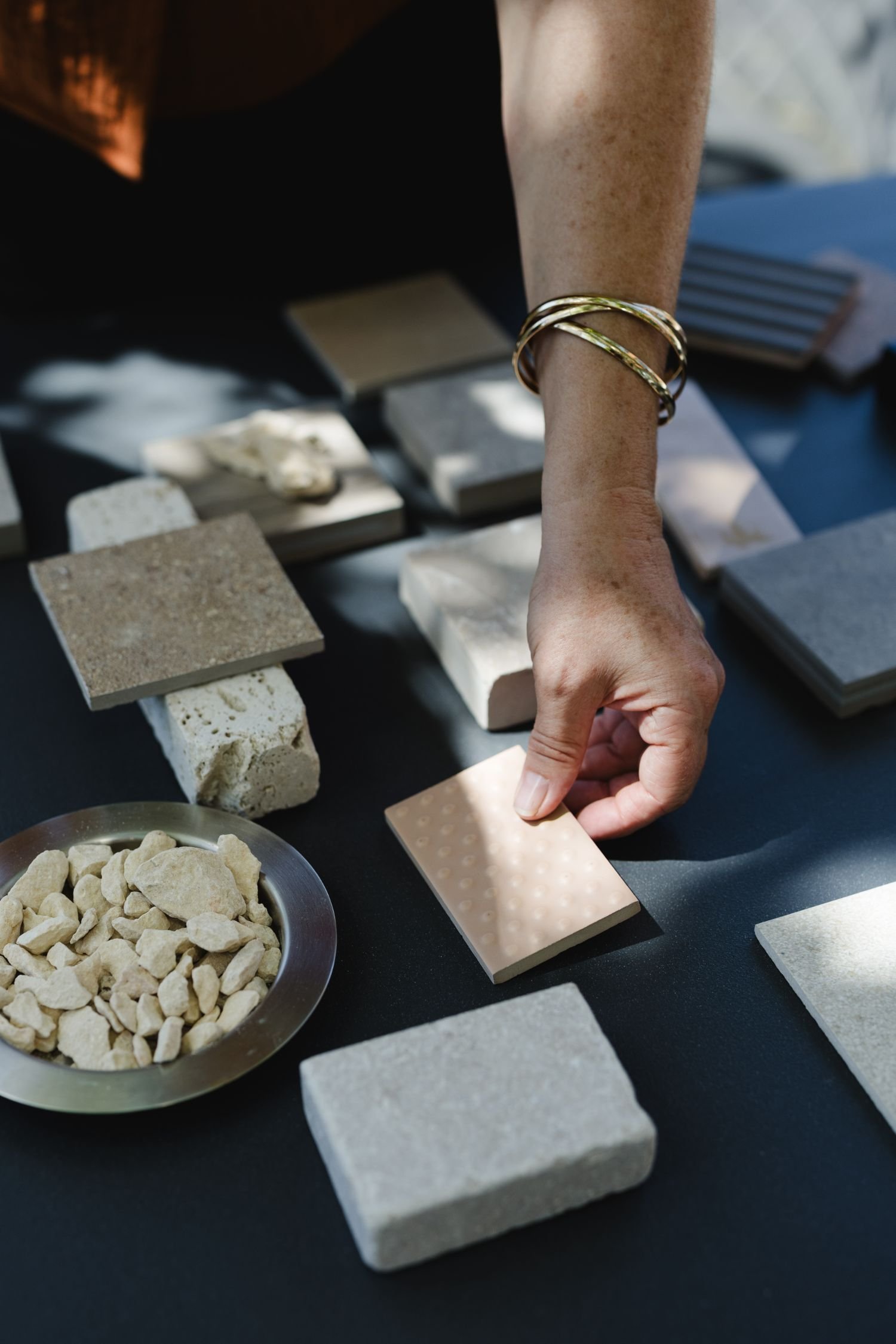
Tanja reviews materials for a garden design
Materials are part of the design, not separate from it
In garden design, materials are never chosen in isolation. Their success depends not only on their inherent qualities, but also on where they are used, how they are detailed and how they contribute to the wider landscape. Just as planting follows the principle of right plant, right place, materials follow a similar philosophy: the right material, in the right place, with the right specification.
A material may be beautiful, but if it is unsuitable for its location or poorly detailed, it will not perform successfully. Equally, a material that may appear ordinary can become exceptional when thoughtfully integrated into the architecture and landscape.
A successful garden is not a collection of individual elements. It is a carefully balanced relationship between structure, planting, materials, light and the way people experience the space.
Moving beyond absolute rules
Materials are not inherently good or bad. They are appropriate or inappropriate depending on how and where they are used.
Timber is not unsuitable for Dubai, but it requires careful consideration. In our climate, large exposed spans or lightweight detailing can lead to movement, splitting and deterioration. However, when correctly specified, using appropriate species, substantial profiles and considered detailing, timber can introduce warmth, texture and natural character beautifully.
Gravel is not automatically low-maintenance. Its success depends on correct preparation, suitable aggregate selection, edge detailing and how the space will be used.
Porcelain is not always the superior choice. While it offers excellent consistency and durability, it still requires careful selection for outdoor applications and thoughtful integration with the wider design.
Natural stone is not automatically luxury. Its beauty comes from how it connects with the architecture, planting and atmosphere of a garden.
The role of the designer is not simply to choose materials that perform well. It is to understand why they work, where they belong and how they contribute to the complete experience of the garden.
Materials must respond to Dubai's climate
In Dubai, materials influence much more than appearance. They affect how comfortable a garden feels, how it ages and how successfully it supports outdoor living throughout the year.
Heat, sunlight and humidity all place demands on external materials, and surface temperatures, colour selection, texture, drainage and maintenance requirements must all be considered. For example, a dark surface may create a dramatic architectural statement, but it can also absorb significant heat when exposed to direct sun. A highly polished surface may appear elegant but may not always provide the most comfortable or practical experience outdoors.
Similarly, the intensity of Dubai's rainfall events means that drainage, permeability and installation methods are important considerations when selecting surfaces for any garden.
The best materials are not simply durable. They are appropriate to their environment.
Materials should belong to the architecture
The strongest gardens feel as though they belong to the home rather than being added afterwards. Materials should respond to the existing architecture, echoing tones, textures and proportions without simply matching every surface.
A contemporary villa may benefit from clean lines, refined finishes and restrained contrasts, while a more natural architectural style may call for softer textures and materials with greater variation. The aim is not to create a garden that competes with the architecture, but one that creates a seamless connection between the built environment and the landscape.
Creating a considered material palette
The most successful gardens rarely rely on a large number of competing finishes. Instead, they use a carefully edited palette of materials that creates harmony between architecture and landscape.
A refined contemporary garden often benefits from restraint, perhaps two or three primary materials, selected for their ability to complement one another and age gracefully. The beauty comes not from variety, but from balance.
Porcelain: contemporary consistency
Porcelain has become a popular choice in UAE gardens because of its reliability, versatility and ability to create a clean architectural aesthetic. When correctly specified for outdoor use, porcelain provides:
consistent colour and texture
resistance to staining and fading
suitability for high-use areas such as terraces and pool surrounds
a wide range of finishes that complement contemporary architecture
However, not all porcelain is equal. Outdoor suitability, slip resistance, installation method, surrounding materials and detailing all influence long-term performance.
Its consistency is also its limitation. Unlike natural materials, porcelain does not develop the same variation or patina over time, which means its success depends heavily on how it is combined with planting, texture and other elements within the garden.
A successful porcelain installation is not simply about choosing a tile. It is about understanding how that surface contributes to the entire garden experience.
Natural stone: texture, character and connection
Natural stone brings something that manufactured materials cannot fully replicate: variation. Subtle differences in texture, tone and weathering create depth and a sense of permanence.
Materials such as UAE limestone, travertine and selected sandstone can work beautifully within Dubai gardens, particularly when their natural qualities complement the architecture and planting. Natural stone can be used for:
paving
wall cladding
stepping stones
garden features
carefully considered accents
However, specification remains essential. Thickness, installation methods, sealing requirements, surface texture and the intended use of the space all influence how successfully the material performs. The beauty of natural stone lies not in perfection, but in its ability to age gracefully.
Gravel and hoggin: softer, cooler surfaces
Permeable surfaces can create a softer relationship between architecture and planting while supporting a more natural garden experience.
Light-coloured gravel reflects sunlight and can provide a cooler alternative to extensive hard paving, and it works particularly well for pathways, informal areas and transitional spaces. Compacted gravel surfaces, sometimes referred to as hoggin, can create a stable, natural-looking finish that allows water infiltration and works beautifully in more relaxed garden settings.
However, these materials rely heavily on correct preparation and detailing. Without appropriate foundations, edging and installation, even the most suitable material will struggle to perform.
Timber: warmth through thoughtful specification
Timber introduces warmth, texture and contrast, helping contemporary gardens feel more natural and inviting. In Dubai, however, timber requires a different approach to many cooler climates.
Shorter spans, heavier profiles, appropriate species selection and careful detailing are essential to reduce movement and deterioration caused by heat and humidity. Used thoughtfully, timber can create beautiful moments of shadow, texture and connection between architecture and landscape.
Aluminium: designing beyond the expected
Aluminium has become an increasingly valuable material for UAE gardens, particularly for pergolas, screens, gates and architectural elements. Its strength, durability and resistance to corrosion make it highly suitable for the local climate.
However, good design remains essential. Historically, aluminium structures have sometimes appeared generic or purely functional. Through considered proportions, refined detailing and integration with the wider landscape, aluminium can become an elegant architectural element rather than simply a practical solution.
Materials that require careful consideration
Some materials can perform adequately but may not always support the refined, enduring quality desired in a contemporary UAE garden.
Concrete pavers, for example, can be appropriate in certain applications, but they require careful consideration regarding colour, staining, scale and their relationship with surrounding materials. Similarly, high-contrast finishes, excessive decorative elements or materials chosen purely because they are fashionable can quickly date a garden.
A timeless garden is not created by using every available option. It is created through editing.
Materials I rarely recommend
Some materials struggle to support the experience of a calm, natural and enduring outdoor space. Artificial lawn, plastic decking and very dark or highly contrasting finishes can create challenges in the UAE climate.
Artificial turf can become extremely hot under direct sun and, while it may solve a maintenance issue superficially, it often does not support the natural cooling, biodiversity and sensory qualities of a living landscape. Dark materials can absorb heat and create uncomfortable outdoor environments, particularly in areas designed for relaxation.
The issue is not simply whether a material can be installed. The question is whether it contributes positively to how the garden feels and functions.
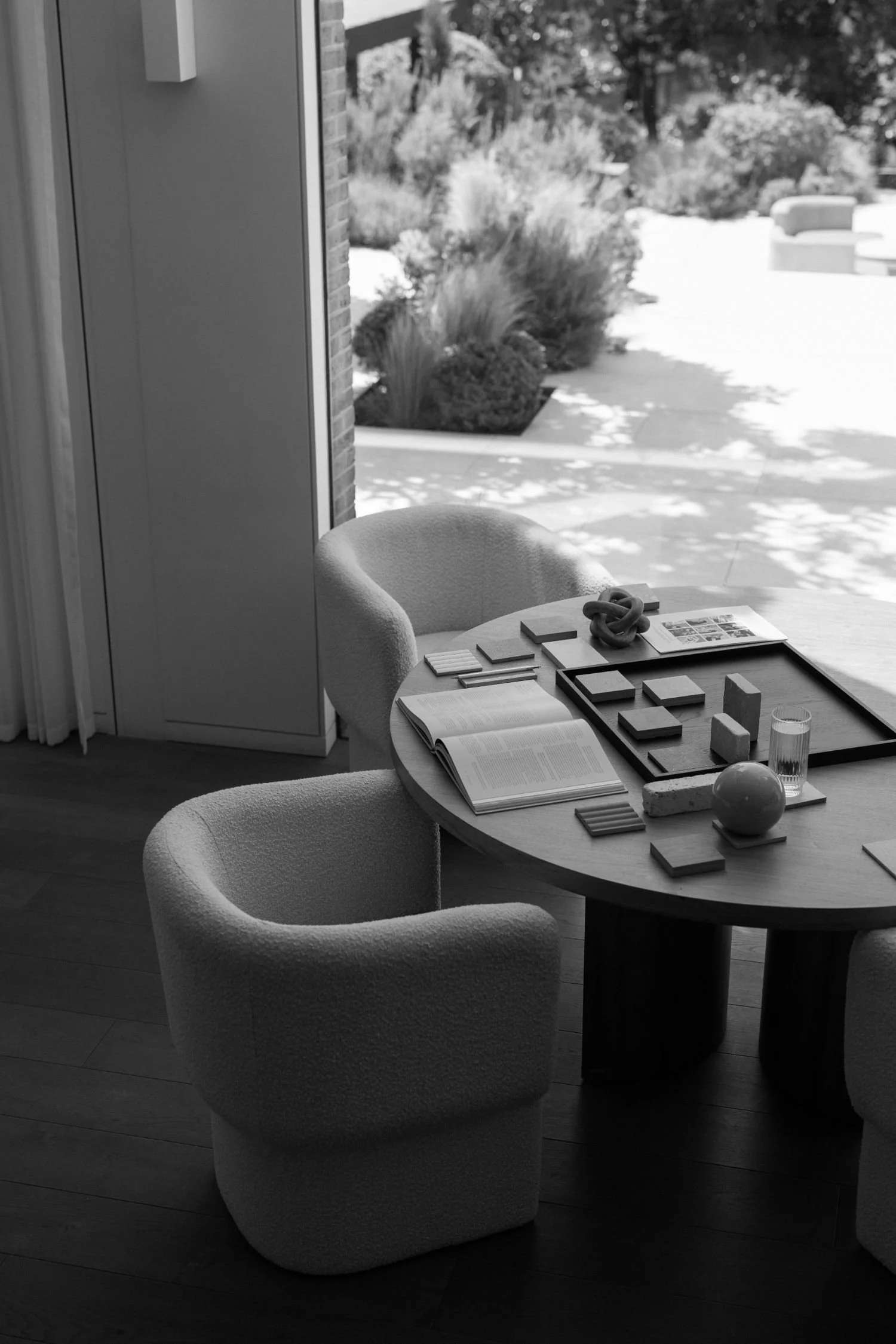
Reviewing hardscaping materials
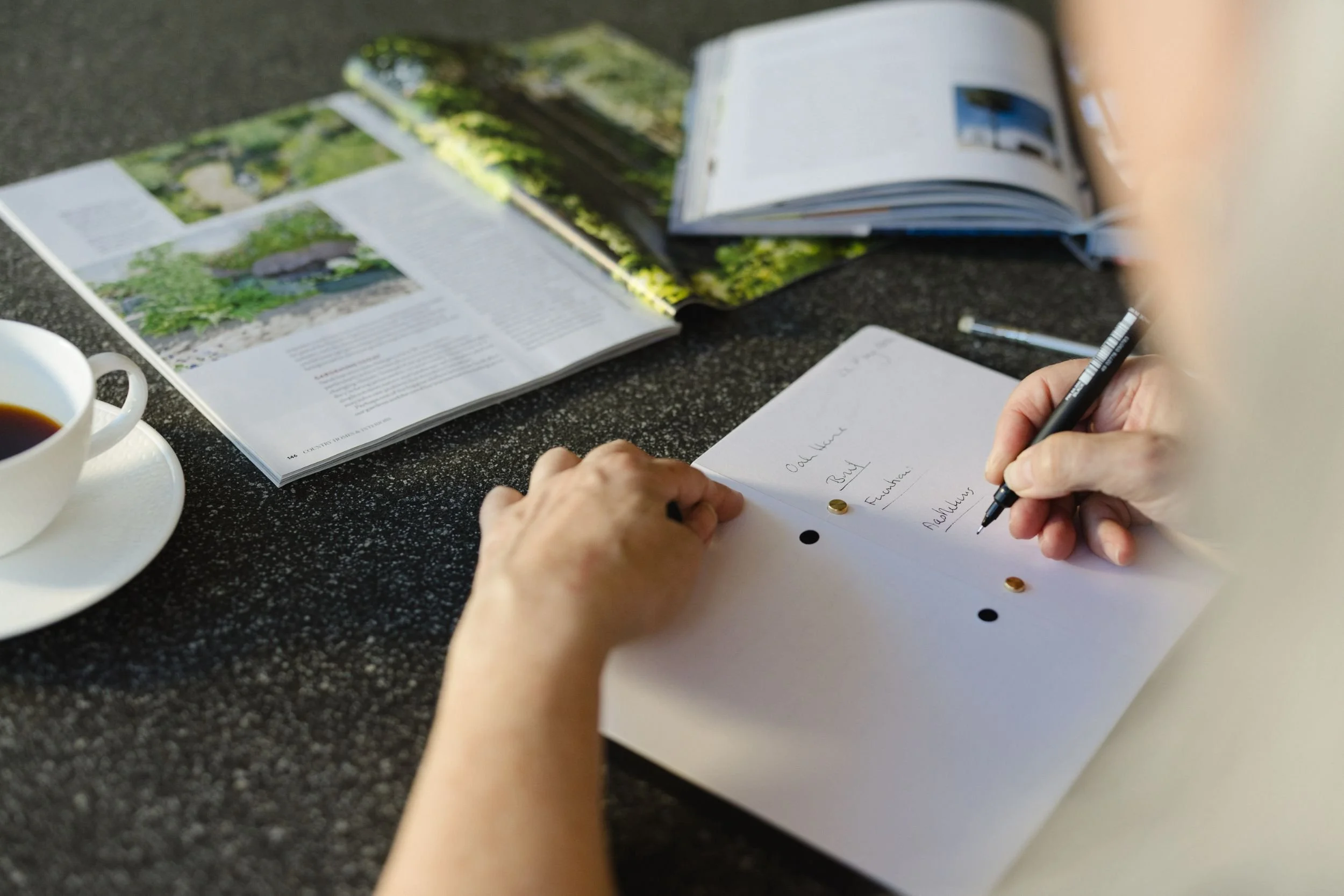
Making notes about gardens
The foundation of a timeless garden
Hard landscaping forms the permanent structure of a garden. It creates the framework for movement, gathering, relaxation and connection with the surrounding architecture.
But materials alone do not create a successful garden. The most beautiful outdoor spaces come from the relationship between all elements: structure, materials, planting, light, climate and the way people experience the space.
Choosing materials in the UAE is not about following trends or selecting the most durable option available. It is about understanding context and making decisions that remain appropriate over time.
The right material, in the right place, with the right specification, becomes more than a surface or structure. It becomes part of the story of every well-considered Dubai garden.
About Gardens by Design
Gardens by Design, based in Motorcity, Dubai
Led by Tanja Boehm, who has designed and delivered over 130 gardens across Dubai during the past decade, Gardens by Design works with residential home owners across the UAE to create outdoor spaces built to thrive in the local climate. Every project is approached with the same principle explored above: the right choices, in the right place, for the way you actually live outdoors. If your own garden is due for a material rethink, that is a conversation worth having with a garden designer who understands Dubai's conditions inside out.